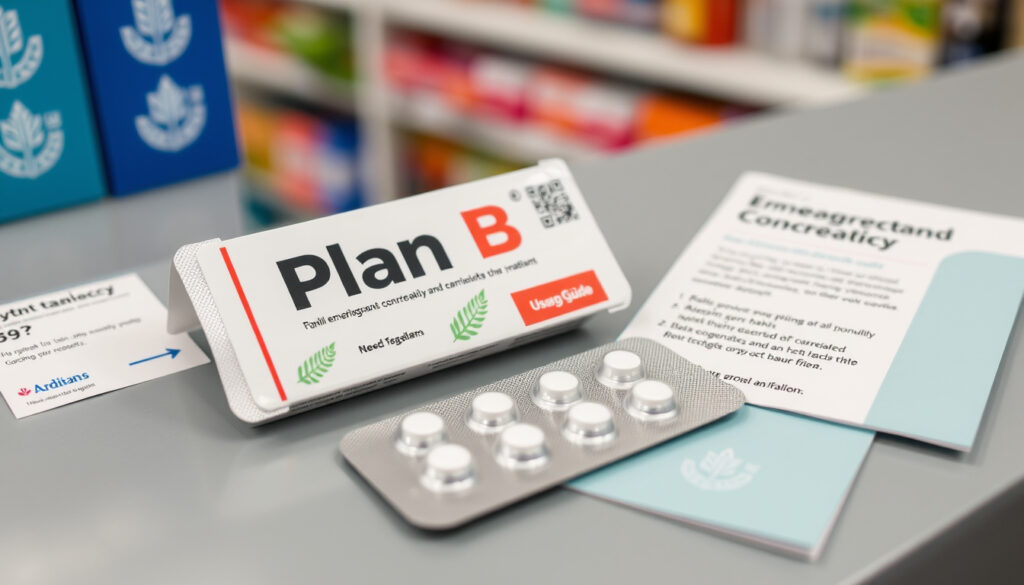
Plan B Pill NZ – Where to Buy, Cost and Usage Guide
The emergency contraceptive pill commonly known as Plan B is available over-the-counter at pharmacies throughout New Zealand. This medication contains levonorgestrel and is designed to prevent pregnancy after unprotected sex or contraceptive failure. Understanding where to obtain it, how much it costs, and how to use it correctly can help people make informed decisions during what may be a stressful time.
In New Zealand, emergency contraception has been available without a prescription since Medsafe approved the over-the-counter status in 2016. The medicine is stocked at most community pharmacies, making it accessible for people who need it quickly. This guide provides practical information about purchasing, cost, usage, and effectiveness based on official sources.
Two main types of emergency contraceptive pills are available in New Zealand: levonorgestrel-based pills (sold as Postinor-1) and ulipristal acetate pills (sold as EllaOne). The levonorgestrel option is available directly from pharmacists without requiring a prescription, while the ulipristal option may require a consultation. A copper IUD inserted by a healthcare provider also serves as a highly effective emergency contraception method.
Where Can I Buy Plan B Pill in New Zealand?
Most community pharmacies across New Zealand stock the emergency contraceptive pill without requiring an appointment. Major retail chains including Chemist Warehouse and Unichem locations carry the medication, along with independent pharmacies throughout the country. The medication is available directly from pharmacists in most cases.
Over-the-counter at pharmacies
Levonorgestrel 1.5mg
Up to 72 hours post-sex
$35-50 NZD
Key Points About Purchasing
- The medication is available without a prescription from most pharmacies
- No appointment is needed at community pharmacies for the levonorgestrel option
- Chemist Warehouse LynnMall operates until 9:00 PM for extended access
- Online consultation services like Well Revolution offer another access route
- Healthcare providers including GPs and sexual health clinics also dispense the medication
- Sexual Wellbeing Aotearoa clinics can provide the pill and insert copper IUDs
| Brand | Dose | OTC Status | Effectiveness |
|---|---|---|---|
| Plan B One-Step / generic | 1.5mg single pill | Yes since 2016 | 95% within 24h |
| Postinor-1 | 1.5mg single pill | Yes | Reduces with time |
| EllaOne | 30mg single pill | Consultation required | Longer window |
After-Hours Access
For people who need emergency contraception outside regular business hours, some pharmacies offer extended trading. Chemist Warehouse LynnMall operates until 9:00 PM, providing one option for after-hours access. Accident and emergency clinics at hospitals also stock emergency contraception and can provide it at any time.
How Much Does Plan B Cost in NZ?
The emergency contraceptive pill typically costs between $35 and $50 when purchased directly from pharmacies. Prices may vary between retailers, with some discount pharmacies offering the medication at the lower end of this range. The cost reflects the over-the-counter sale of the medication without requiring a doctor’s visit.
Generic versions of levonorgestrel-based emergency contraception are generally available at competitive prices. Brand-name options like Plan B One-Step may be priced differently than generic equivalents. Shopping around at different pharmacies can help people find the best available price in their area.
Free consultations and medications are available for patients under 25 years old who are New Zealand residents at participating pharmacies. Stratford Pharmacy, for example, provides this service without requiring an appointment. This funded access can significantly reduce the financial barrier for younger people seeking emergency contraception.
How and When Should I Take Plan B?
The emergency contraceptive pill should be taken as soon as possible after unprotected sex for maximum effectiveness. The medication is approved for use up to 72 hours (3 days) after intercourse, though research suggests it remains effective for up to 4 days for most people. Taking it within 24 hours provides the highest likelihood of preventing pregnancy.
How to Take the Medication
- Swallow the tablet whole with water; do not chew the pill
- Take it with food to help prevent nausea, which is a common side effect
- If you vomit within 3 hours of taking your dose, you will need to take another dose
- You can continue taking regular contraception methods at their usual times after using emergency contraception
- The pill can be taken at any point in your menstrual cycle
Dosage Considerations Based on Weight
Dosage recommendations may depend on your body weight. For people weighing up to 70kg, a single 1.5mg pill is the standard dose. If you weigh over 70kg, the emergency contraceptive pill may not be the preferred choice, as some evidence suggests reduced effectiveness at higher weights.
For individuals over 70kg, a copper IUD is considered the most effective emergency contraception option. If choosing the oral pill, some sources suggest taking two pills together may be more effective, though this approach lacks definitive scientific proof. Discussing options with a pharmacist or healthcare provider can help determine the best choice.
What If You Vomit After Taking It?
If vomiting occurs within 3 hours of taking the emergency contraceptive pill, the dose may not have been fully absorbed. In this case, taking another dose is necessary to ensure effectiveness. Pharmacies can advise on the appropriate steps to take, and no additional prescription is needed for the repeat dose.
How Effective Is Plan B and What Are the Side Effects?
The emergency contraceptive pill is most effective when taken as soon as possible after unprotected sex. Within the first 24 hours, effectiveness rates reach approximately 95%. The effectiveness decreases gradually as time passes, making prompt action important.
Effectiveness Over Time
- Within 24 hours: approximately 95% effective
- Between 24-48 hours: effectiveness continues to decline
- Between 48-72 hours: approved window but lower effectiveness
- After 72 hours: the copper IUD becomes a more reliable option
Emergency contraception works by preventing ovulation or fertilization. It is not an abortion pill and will not terminate an existing pregnancy. The medication is also not intended for regular use as a primary contraception method. If pregnancy has already occurred, emergency contraception will not be effective.
Side Effects
The most common side effect is nausea, which is why taking the pill with food is recommended. Some people may experience mild abdominal pain, fatigue, or changes to their next menstrual period. These side effects typically resolve within a few days.
Headaches, dizziness, and breast tenderness have also been reported by some users. Your next period may come earlier or later than expected. If your period is more than a week late after taking emergency contraception, taking a pregnancy test is advisable.
What If Plan B Does Not Work?
If pregnancy occurs despite taking emergency contraception, the medication will not affect an established pregnancy. The copper IUD, which is more effective than the oral pill, can be used as a backup option up to five days after unprotected sex. If pregnancy is confirmed, discussing options with a healthcare provider is the next step.
The History of Emergency Contraception Access in New Zealand
Understanding the timeline of emergency contraception access in New Zealand provides context for the current availability. The medication has undergone significant regulatory changes that have improved access for people across the country.
- 2009: Emergency contraceptive pill introduced as a prescription-only medication in New Zealand
- 2016: Medsafe approves over-the-counter status, allowing pharmacies to dispense without a prescription
- 2024: Widely stocked at pharmacies with stable pricing; free access available for under 25s at participating locations
The shift to over-the-counter status in 2016 represented a significant change in reproductive health access. This change aligned New Zealand with many other countries that had already made emergency contraception available without prescription. The move was intended to reduce barriers for people needing urgent contraception.
What We Know for Certain and What Remains Unclear
When researching emergency contraception, distinguishing between established facts and areas of uncertainty helps inform decisions. The following overview clarifies what is well-documented versus what requires individual consultation.
| Established Information | Areas of Uncertainty |
|---|---|
| Available OTC at pharmacies since 2016 | Precise effectiveness rates for individuals over 75kg |
| Contains 1.5mg levonorgestrel | Optimal dosing strategy for higher weight individuals |
| Approved window: 72 hours post-sex | Interactions with specific medications |
| Effectiveness decreases over time | Long-term effects of repeated use |
| Not an abortion pill | Impact on fertility when used correctly |
The Broader Context of Emergency Contraception in New Zealand
Emergency contraception exists within a larger framework of reproductive health services in New Zealand. The availability of the copper IUD as an alternative highlights that multiple options exist for people seeking emergency contraception. Each method has different characteristics regarding effectiveness, duration, and mechanism of action.
Sexual Wellbeing Aotearoa (formerly Family Planning) operates clinics throughout New Zealand that can provide emergency contraception, insert copper IUDs, and offer advice on ongoing contraception. These services complement the over-the-counter availability by providing options for people who may prefer or require medical consultation.
Integration with the Healthcare System
While emergency contraception is available without prescription, it remains integrated with the broader healthcare system. Pharmacists play a key role in providing access and can advise on whether emergency contraception is appropriate. GPs, sexual health clinics, and hospital emergency departments offer additional points of access for those who prefer clinical consultation.
Expert Guidance on Emergency Contraception
The emergency contraceptive pill is approved to be taken up to 72 hours after unprotected sex, though for most people it remains effective up to 4 days after sex. The sooner you take it, the better it works.
— Healthify NZ, New Zealand’s health information resource
Before providing the emergency contraceptive pill, healthcare providers typically ask questions to ensure it’s the right choice for you.
— Medsafe and clinical guidelines
Next Steps After Taking Emergency Contraception
After using emergency contraception, several follow-up actions may be appropriate. Continuing with regular contraception methods is possible; the emergency pill does not interfere with ongoing contraceptive methods. Taking a pregnancy test if your next period is more than a week late is recommended.
Getting tested for sexually transmitted infections is advisable following unprotected sex. Your GP, local sexual health clinic, or Sexual Wellbeing Aotearoa can provide this service. Discussing ongoing contraception options with a healthcare provider can help establish a more reliable prevention strategy going forward.
While the emergency contraception itself does not protect against STIs, regular testing and barrier protection methods remain important for sexual health. Planning a routine check-up with your GP can address both contraception and STI screening needs.
Frequently Asked Questions
Where can I buy Plan B pill in NZ?
Plan B and other levonorgestrel emergency contraceptive pills are available over-the-counter at most pharmacies in New Zealand, including Chemist Warehouse, Unichem, and independent pharmacies. No prescription or appointment is required.
Is Plan B available over the counter in New Zealand?
Yes, levonorgestrel-based emergency contraception has been available without prescription since 2016. Medsafe approved the over-the-counter status, allowing pharmacists to dispense the medication directly.
How much does Plan B cost in NZ?
The emergency contraceptive pill typically costs between $35 and $50 when purchased at pharmacies. Free consultations and medications are available for New Zealand residents under 25 at participating pharmacies like Stratford Pharmacy.
How soon after unprotected sex should I take Plan B?
Take the emergency contraceptive pill as soon as possible. It is approved for up to 72 hours and remains effective up to 4 days, but effectiveness is highest within the first 24 hours.
Does Plan B work if I have vomited?
If you vomit within 3 hours of taking the pill, you will need another dose. Vomiting before 3 hours may mean the medication was not fully absorbed.
What are the side effects of Plan B?
Common side effects include nausea (reduced by taking with food), mild abdominal pain, fatigue, and possible changes to your next menstrual period. These typically resolve within days.
Is Plan B the same as the morning after pill?
Yes, Plan B and morning after pill are common names for the same medication. Both refer to levonorgestrel-based emergency contraception taken after unprotected sex.
What if Plan B doesn’t work?
If pregnancy occurs despite taking emergency contraception, the copper IUD can be used as a more effective backup up to 5 days after unprotected sex. If pregnancy is confirmed, consult a healthcare provider for options.
More related posts
 Google TV Streamer 4K Review: Worth the Upgrade
 Golden Week Japan 2026: Dates, Avoid Crowds & Costs
 July School Holidays 2026 – Dates By Australian State
 Why Is My Vagina Itchy? Causes & Relief Guide
 The Breakfast Club Pt Chev: Menu, Reviews, and What to Order
 Grey Lynn Community Centre: Services, Bookings & More
 NZ Tax Brackets 2024: Complete Guide to Rates & Examples
 Roast Potatoes in Air Fryer: Crispy in 20-30 Minutes