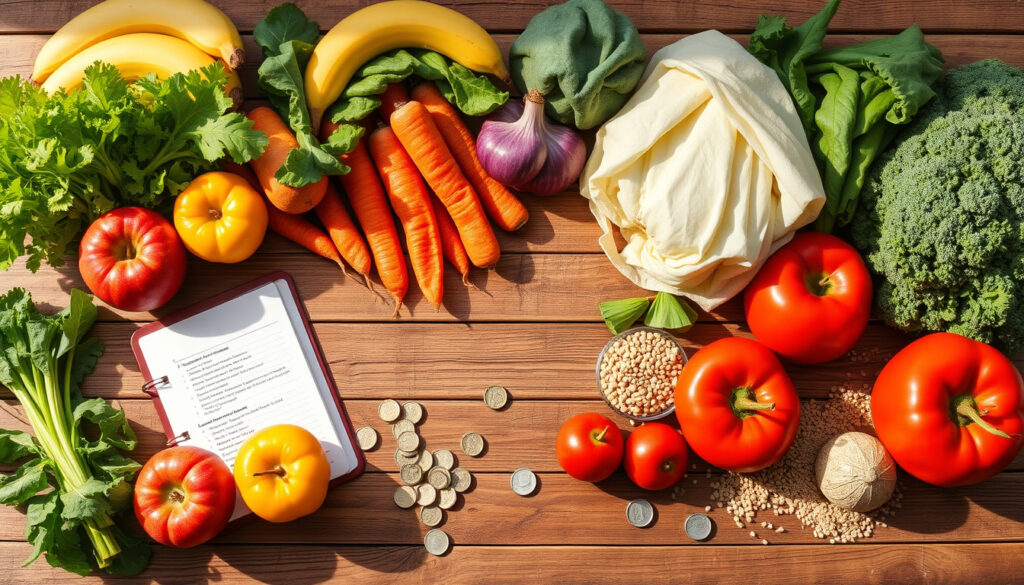
Eat Well for Less – Budget Guide to Healthy Eating
Eating well does not require spending a fortune. With rising grocery costs and household budgets under pressure, many families are discovering that nutritious meals can fit comfortably within modest means. The key lies in understanding which foods deliver the most nutritional value for your money, and how strategic planning can transform your weekly shop into a streamlined, cost-effective process that supports your health without draining your wallet.
Research from UK health organisations reveals that unhealthy diets cost the nation approximately £268 billion annually, a figure that exceeds NHS spending and contributes to widespread chronic health conditions. Yet the solution remains remarkably straightforward: focusing on affordable staples such as oats, eggs, seasonal vegetables, tinned beans, and frozen produce aligns perfectly with the NHS Eatwell Guide principles while keeping costs manageable. This approach proves that budget-conscious eating and proper nutrition need not exist in opposition.
Whether you are feeding a family, cooking for one, or simply looking to reduce your grocery expenditure while maintaining a balanced diet, this guide covers everything you need to know about eating well for less. From practical shopping strategies to meal planning techniques and nutrient-dense recipe ideas, the following sections provide actionable advice grounded in evidence from leading UK nutrition sources.
How Can I Eat Well for Less?
Achieving nutritious meals on a limited budget starts with understanding which foods offer exceptional nutritional value relative to their cost. The British Dietetic Association identifies several cornerstone ingredients that should form the basis of any budget-conscious kitchen: oats, eggs, seasonal vegetables, tinned beans, and frozen produce. These items provide essential proteins, fibres, vitamins, and minerals while remaining significantly cheaper than processed alternatives or out-of-season specialty items.
The NHS Eatwell Guide emphasises that a balanced diet includes plenty of fruits, vegetables, potatoes, bread, rice, pasta, and other starchy carbohydrates, alongside dairy or dairy alternatives, pulses, fish, eggs, and meat. Following these principles does not require premium prices—affordable staples can meet every requirement.
Practical evidence suggests that families who adopt these strategies can reduce their grocery bills by 30 to 50 percent while actually improving their nutritional intake. The secret lies in shifting focus away from brand names and convenience foods toward whole, minimally processed ingredients that deliver superior nutrition at a fraction of the cost. According to the Food Standards Agency, ultra-processed foods now constitute over half of British dietary intake, contributing to chronic disease burdens that further strain both personal health and public healthcare resources.
Key Insights for Budget-Conscious Eating
- Choose nutrient-dense staples: Oats provide fibre and B vitamins; eggs offer complete protein; seasonal vegetables supply vitamins A, C, and folate—all at minimal cost per serving.
- Embrace tinned and frozen options: Frozen berries retain nutrients while lasting longer; tinned beans in water count toward your 5-a-day and provide affordable plant protein.
- Plan meals around reduced ingredients: Batch cooking with versatile base ingredients reduces waste and daily decision-making stress.
- Prioritise fibre intake: Research indicates that 50 grams of beans or legumes daily can lower all-cause mortality by 6 percent—yet two-thirds of UK adults eat fewer than one bean portion per week.
- Reduce reliance on convenience foods: Processed items cost more per calorie and nutrient compared to home-prepared alternatives.
- Use leftovers strategically: Transforming dinner leftovers into lunch reduces waste and eliminates the need for additional meal preparation.
| Fact | Detail | Source |
|---|---|---|
| Annual UK diet-related costs | £268 billion from unhealthy diets (FFCC report) | FFCC Report |
| Target fibre intake | 30 grams daily recommended | NHS/Nutrition Guidelines |
| Bean consumption gap | Two-thirds of UK adults eat less than one portion weekly | BBC Good Food |
| Fibre-related mortality | Low fibre linked to 9,000 premature UK deaths yearly | BBC Good Food |
| Potential savings | 30-50% reduction in grocery bills achievable | BDA Guidelines |
| Ultra-processed food share | Over half of British dietary intake | Food Standards Agency |
| Quick win strategy | Batch cooking reduces both cost and daily effort | BDA Resource |
What Are the Best Tips for Healthy Eating on a Budget?
The British Dietetic Association provides comprehensive guidance for eating well while spending less, with practical strategies that work for households across all income levels. These recommendations combine nutritional science with economic realism, acknowledging that food choices must satisfy both health requirements and financial constraints. Implementing even a few of these techniques can produce noticeable improvements in your weekly grocery spending.
Smart Shopping Strategies
Seasonal purchasing represents one of the most effective ways to reduce grocery costs while enjoying produce at its peak quality and nutrition. Strawberries cost significantly less during summer months when supply exceeds demand, while parsnips and other root vegetables offer excellent value through winter. Rather than purchasing out-of-season imported produce at premium prices, aligning your meals with natural growing cycles delivers both savings and superior flavour. The BDA specifically recommends this approach as a cornerstone of sustainable budget eating.
Loose produce often costs less than pre-packaged alternatives, and purchasing exactly the quantity you need eliminates waste. Many supermarkets now offer “wonky” vegetables at reduced prices—these misshapen but perfectly nutritious items provide an excellent opportunity to save money while reducing food waste. Tinned vegetables in water or natural juice represent another affordable option, retaining nutrients while offering extended shelf life compared to fresh alternatives.
Budget-friendly protein sources include baked beans (which count toward your 5-a-day), tinned chickpeas and lentils, eggs, frozen chicken thighs, budget meat cuts, and tinned sardines or mackerel. These options provide complete proteins at a fraction of the cost of premium cuts or processed meat alternatives.
Frozen produce deserves particular attention as an often-overlooked budget staple. Frozen berries contain equivalent or superior nutrient levels compared to fresh berries that may have traveled thousands of miles and lost vitamins during transit. Peas added to rice or frozen berries mixed into porridge provide quick, nutritious additions requiring minimal preparation. The convenience factor also reduces the temptation to order takeaway when time feels short.
Beginner Mistakes to Avoid
Increasing fibre intake too quickly can cause uncomfortable bloating and digestive disturbance. The British Dietetic Association recommends introducing fibre-rich foods gradually, working toward the recommended 30 grams daily rather than attempting immediate dramatic increases. Starting with modest portions of beans, oats, or vegetables allows your digestive system to adjust.
Over-reliance on processed foods represents another common pitfall. While these items may seem convenient, they typically cost more per calorie and nutrient while delivering inferior health outcomes compared to whole food alternatives. The 2026 nutrition trend focusing on fibre recognises that simple, unprocessed ingredients provide the best foundation for affordable, health-promoting eating patterns.
How to Plan Affordable Meals?
Meal planning serves as the foundation of successful budget eating, transforming random grocery purchases into purposeful, coordinated weekly menus. By dedicating even thirty minutes weekly to planning, households can reduce impulse purchases, minimise food waste, and ensure that nutritious meals remain consistently available without requiring daily decision-making or last-minute convenience-driven choices.
Weekly Meal Framework
The British Dietetic Association suggests structuring your week around versatile base ingredients that can be adapted across multiple meals. A large batch of porridge prepared at the start of the week provides breakfast options that cost pennies per serving. Overnight oats topped with yoghurt and frozen berries offer variety without additional preparation time. Lunches built around leftovers, egg sandwiches, or homemade soup using tinned vegetables and pulse ingredients create satisfying midday meals without the premium costs of bought alternatives.
Value cereals with milk and dried fruit; overnight oats with yoghurt and frozen berries; porridge topped with dried fruit; eggs or baked beans on brown toast; cheese and vegetable omelette. These options provide complete nutrition at minimal cost while requiring minimal morning preparation time.
Evening meals can follow similar principles, with batch-prepared bases adaptable to various flavour profiles throughout the week. A large pot of soup or stew using tinned tomatoes, lentils, and seasonal vegetables provides multiple servings at extremely low cost per portion. Egg-based dishes like omelettes accommodate leftover vegetables, cheese, or tinned fish, creating variety from consistent base ingredients.
Reducing Food Waste
Food waste directly undermines budget eating efforts, essentially throwing away money along with uneaten ingredients. Using leftovers for lunches eliminates the need for additional meal preparation while ensuring purchased items reach consumption. Frozen items last significantly longer than fresh alternatives, allowing purchase of larger quantities during sales without worrying about spoilage. Planning portions that match household consumption prevents uneaten food from accumulating in refrigerators.
Local allotments and community gardens provide additional opportunities for accessing fresh produce at minimal cost, particularly in areas where these facilities exist. These sources often provide seasonal vegetables at prices well below supermarket equivalents while supporting local food networks and community connections.
What Is Eat Well for Less?
The concept of eating well for less encompasses a philosophy and practical approach to nutrition that prioritises health outcomes alongside economic efficiency. Rather than viewing budget constraints and nutritional quality as opposing forces, this approach recognises that certain foods deliver exceptional nutritional value precisely because they are affordable, accessible, and versatile across multiple meal types.
The Broader Context
The NHS Eatwell Guide provides the official UK framework for balanced eating, recommending specific proportions of food groups that support optimal health. These guidelines explicitly acknowledge that following recommended dietary patterns need not require expensive ingredients—many of the most nutritious foods available, including beans, lentils, oats, eggs, and seasonal vegetables, rank among the most affordable options in any supermarket.
BBC’s Eat Well for Less television programme has brought these principles into mainstream conversation, demonstrating practical strategies for families seeking to improve their eating habits while managing tight budgets. The programme’s popularity reflects widespread recognition that these challenges affect households across the economic spectrum, and that practical, realistic solutions exist for those willing to examine and adjust their purchasing habits.
The British Dietetic Association, NHS, and British Nutrition Foundation all publish free resources specifically addressing affordable healthy eating. These organisations provide evidence-based guidance that prioritises practical implementation over theoretical ideals, acknowledging the real constraints families face when planning meals and grocery purchases.
When Should I Start Implementing These Changes?
Implementing budget-conscious healthy eating follows a gradual progression that builds sustainable habits over time rather than attempting dramatic overnight transformations that rarely last. Research into nutrition trends indicates that the focus on fibre in 2026 represents a continuation of growing awareness about gut health and whole-food eating that began in previous years, suggesting that lasting change requires consistent, incremental adjustment rather than restrictive short-term diets.
- Week 1 assessment: Review current grocery spending and identify primary areas where budget and nutrition could align more closely. Audit your pantry for versatile staples that can form the basis of budget meals.
- Week 2 shopping adjustment: Purchase seasonal vegetables, tinned beans, oats, and eggs to establish your foundation. Compare prices between loose and packaged produce to identify savings opportunities.
- Week 3 meal planning: Develop your first weekly menu using batch cooking principles. Prepare large quantities of versatile bases like porridge, soup, or rice that can be adapted across multiple meals.
- Ongoing refinement: Track spending against previous periods, adjust quantities based on actual consumption, and gradually introduce new recipe variations as confidence builds.
What Is Established Versus What Remains Uncertain?
| Established Information | Uncertain or Variable Factors |
|---|---|
| Oats, eggs, beans, and seasonal vegetables provide excellent nutrition at low cost | Actual savings percentages vary significantly based on starting habits and regional price differences |
| Fibre recommendations of 30 grams daily improve health outcomes | Optimal individual portions depend on personal health conditions and digestive tolerance |
| Seasonal purchasing reduces costs compared to out-of-season alternatives | Specific seasonal price differentials fluctuate yearly based on weather and supply chains |
| Batch cooking reduces both waste and total spending | Time savings vary based on cooking experience and kitchen efficiency |
| Unhealthy diets cost the UK £268 billion annually (FFCC data) | Individual healthcare cost impacts depend on numerous personal factors |
| Tinned and frozen produce retain comparable nutrients to fresh alternatives | Specific brand availability and pricing varies between retailers |
Why Does Budget Eating Matter for UK Families?
The economic context surrounding food purchasing has shifted dramatically in recent years, with grocery costs rising faster than many household incomes. Against this backdrop, the ability to eat well while spending less has evolved from a desirable skill into an essential survival strategy for families across the economic spectrum. The Food Foundation report linking unhealthy diets to £268 billion in annual costs demonstrates that this challenge extends far beyond individual household finances into national-level economic and healthcare concerns.
Low fibre intake specifically contributes to approximately 9,000 premature deaths annually in the UK—a statistic that underscores the health consequences of dietary patterns driven by convenience rather than nutrition. The campaigns like “Bang In Some Beans” seeking to double bean consumption by 2028 reflect growing recognition that simple dietary shifts could produce meaningful health improvements across the population.
The key to successful budget eating lies not in perfection but in consistent, incremental improvements that compound over time into lasting habits that benefit both health and finances.
Summary: Practical Steps to Eating Well for Less
Eating well for less combines strategic shopping, thoughtful meal planning, and a focus on versatile, nutrient-dense ingredients that deliver exceptional value per pound spent. UK health authorities consistently identify the same core principles: prioritise seasonal produce, embrace affordable proteins like eggs and tinned beans, use frozen items to reduce waste, and prepare meals at home rather than relying on convenience foods or takeaways. Whether shopping at a major supermarket chain or exploring local options, these principles apply regardless of where you purchase your groceries.
For further guidance on planning nutritious meals within budget constraints, explore our comprehensive resources on budget grocery shopping strategies and affordable meal preparation techniques.
Frequently Asked Questions
How much can I realistically save by eating well for less?
Most households implementing these strategies report savings of 30 to 50 percent on their grocery bills. Actual results depend on current purchasing habits, household size, and commitment to the planning principles outlined above.
What are the most common mistakes beginners make?
Increasing fibre intake too quickly causes bloating and digestive discomfort. Instead, add fibre-rich foods gradually and drink plenty of water. Also avoid over-relying on processed foods, which cost more per nutrient than whole food alternatives.
Can vegetarians eat well on a tight budget?
Absolutely. Eggs, cheese, beans, lentils, and oats provide complete vegetarian nutrition at extremely low cost. These ingredients form the foundation of numerous budget-friendly meals that require minimal preparation.
What budget-friendly foods provide the most protein?
Eggs, tinned beans, lentils, chickpeas, tinned fish, and frozen chicken thighs offer excellent protein value. Baked beans count toward your 5-a-day while providing both protein and fibre at minimal cost.
How do I reduce food waste while meal planning?
Use leftovers for lunches rather than preparing separate meals. Freeze items before they spoil. Buy frozen produce that lasts longer than fresh. Plan portions based on actual household consumption rather than aspirational amounts.
Is it possible to feed a family nutritious meals under £50 per week?
Yes, many families achieve this using the strategies outlined above. Focusing on oats, eggs, beans, seasonal vegetables, and budget cuts of meat or fish, with tinned and frozen items to supplement fresh produce, makes this target realistic for most households.
How does the NHS recommend approaching budget healthy eating?
The NHS provides 20 practical tips for eating well while managing costs, including meal planning, batch cooking, and choosing cheaper protein sources. Their guidance aligns with the BDA recommendations and emphasises that healthy eating need not require expensive ingredients.
More related posts
 Build-A-Bear Christchurch: Locations, Prices & Tips
 Area of a Triangle: Formula, Examples, and Calculator Guide
 Samsung S24 Ultra NZ: Price, Specs, and Where to Buy
 We t End Fi h Supply Menu: Price , Item & Ordering
 Dragon Horse Takeaways Onehunga: Menu, Reviews, Delivery Info
 Maggie Baugh Keith Urban: Dating Rumors and Tour Split
 Visitor Visa New Zealand: Requirements & How to Apply
 What Is My Car Worth? Free Valuation Guide for Ireland