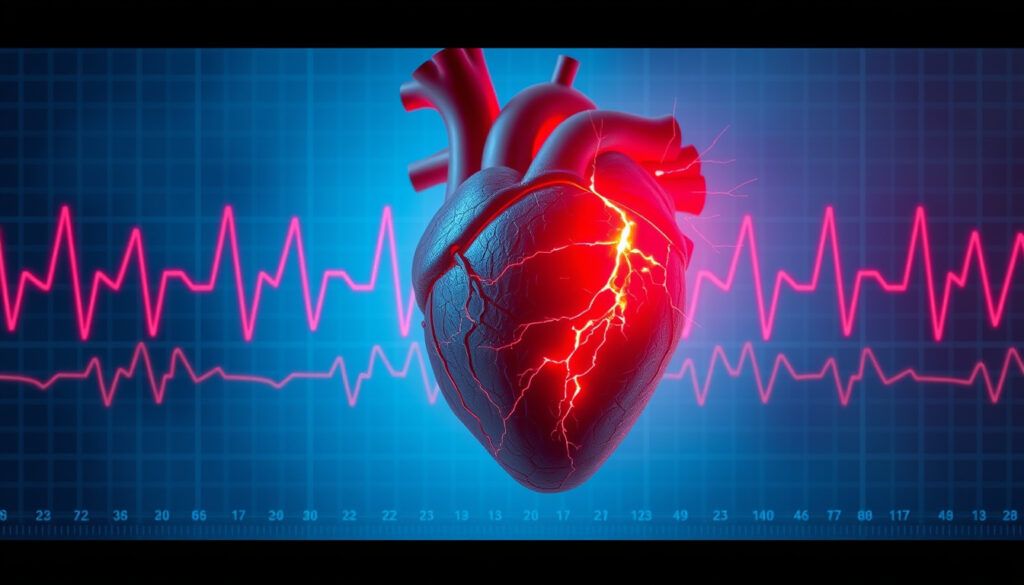
What Does a Heart Attack Feel Like – Symptoms in Men and Women
A heart attack occurs when blood flow to the heart muscle becomes blocked, typically by a clot. The resulting damage can range from mild to life-threatening, and recognizing the warning signs can make the difference between survival and permanent injury. Yet the way a heart attack manifests varies widely between individuals, and the classic imagery of crushing chest pain does not tell the whole story.
Medical experts note that symptoms often develop gradually over minutes or hours, though some attacks strike suddenly. The experience can feel different depending on whether you are male or female, older or younger, or living with conditions such as diabetes. Understanding these variations helps people recognize when something serious is happening, even when the signs do not match expectations.
This guide examines what a heart attack feels like based on current medical evidence, covering common symptoms, differences by sex, silent presentations, duration, and how to distinguish cardiac events from other conditions that feel similar.
What Does a Heart Attack Feel Like? Common Symptoms
The sensation of a heart attack varies from person to person, but several symptoms appear frequently across patient reports and clinical studies. According to the American Heart Association, chest discomfort remains the most commonly reported symptom, though its character differs from what many expect.
Squeezing, tightness, or burning sensation lasting more than a few minutes
Difficulty breathing at rest or during light activity, often worsening when lying down
Aching that spreads from chest to one or both arms, jaw, back, or shoulder
Cold sweats, vomiting, or lightheadedness accompanying other symptoms
Research from Texas Health Resources indicates that roughly 70% of women describe their chest sensation as pressure or squeezing rather than sharp, localized pain. Many describe it as feeling like a rope being tightened around the chest. Symptoms may come and go over several minutes or persist for longer periods, and the discomfort does not typically resolve with rest or over-the-counter medication.
Five signs that warrant immediate attention include:
- Chest discomfort that lasts more than a few minutes or recurs
- Pain or numbness radiating to the left arm, shoulder, jaw, or back
- Sudden shortness of breath with or without chest tightness
- Breaking out in a cold sweat alongside nausea or fatigue
- Lightheadedness or sudden dizziness that does not pass quickly
| Symptom | Description | Common in |
|---|---|---|
| Chest pressure | Squeezing, fullness, or tightness rather than sharp stabbing pain | Men and women |
| Upper body pain | Aching in one or both arms, neck, jaw, shoulder, or upper abdomen | Both sexes, often first sign in women |
| Shortness of breath | Difficulty breathing during activity or at rest, worse lying flat | Women frequently |
| Nausea/vomiting | Stomach discomfort mistaken for food poisoning or indigestion | Women more often |
| Unusual fatigue | Persistent, unexplained weakness that interferes with daily tasks | Women, especially days before attack |
| Cold sweats | Clammy skin alongside feeling unwell, not from exertion | Both sexes |
Heart Attack Symptoms in Women and Atypical Signs
Medical research increasingly recognizes that heart attack symptoms in women often differ from the classic presentation commonly depicted in media. According to Mayo Clinic studies, women are more likely to experience what clinicians describe as atypical symptoms—signs that do not fit the expected pattern of sudden, severe chest pain.
How Symptoms Differ Between Sexes
Women frequently report subtler signs that appear during rest or sleep, whereas men more commonly describe intense, crushing chest pressure as their primary complaint. The Texas Health Resources notes that approximately 30% of women experience no chest pain at all during their cardiac event, compared to a lower percentage of men.
Symptoms women commonly report include:
- Upper abdominal pressure that feels like indigestion
- Back pain between the shoulder blades
- Extreme fatigue that may begin days before the event
- Jaw or neck pain without accompanying chest discomfort
- Nausea or vomiting that mimics flu symptoms
Women wait an average of 54 hours before seeking help for cardiac symptoms, compared to 16 hours for men. This delay significantly increases the risk of permanent heart damage and reduces treatment effectiveness.
Conditions That Increase Silent Heart Attack Risk
Certain medical conditions make it harder to recognize cardiac events. Diabetics face a particularly elevated risk of silent heart attacks because nerve damage can mask the pain signals that typically alert someone to heart distress. The Cleveland Clinic explains that this nerve impairment prevents the body from sending the usual warnings.
Younger women face unique risks through conditions such as spontaneous coronary artery dissection (SCAD), microvascular disease, and stress cardiomyopathy—conditions that can cause heart attacks without the dramatic chest-clutching symptoms people expect. These presentations often fly under the radar both for patients and healthcare providers.
Can You Have a Heart Attack Without Chest Pain?
Yes. Silent heart attacks represent a significant medical concern where the typical warning signs never manifest clearly enough to trigger alarm. The Women’s Health Alliance reports that these events cause the same amount of heart damage as conventional attacks but go unrecognized for weeks or months afterward.
People who experience silent heart attacks often describe their symptoms in retrospect as feeling like the flu, muscle strain, or general tiredness. They may attribute their discomfort to indigestion or simply having slept poorly. By the time the damage becomes apparent through medical imaging or symptoms of heart failure, permanent scarring has already occurred.
Even without chest pain, combinations of unexplained fatigue, shortness of breath, mild discomfort in the upper body, and cold sweats deserve medical evaluation. The absence of dramatic symptoms does not mean the situation is less urgent.
Why Pain Perception Varies
Several factors influence whether someone feels noticeable cardiac pain. Age plays a role, with older adults sometimes experiencing less intense sensations. Nerve function affects pain perception, which explains why diabetics and those on certain medications may miss warning signs. Gender differences in cardiac anatomy and the way pain signals process through the nervous system also contribute to variation in symptom experience.
How Long Do Heart Attack Symptoms Last and Do They Come and Go?
The duration and pattern of heart attack symptoms follow no single rule. According to the Expressive Temple health coverage, symptoms may develop gradually over hours or strike suddenly within minutes. They can fluctuate, with periods of relief followed by renewed discomfort, or persist continuously until treatment begins.
Typical Patterns
For many patients, the experience unfolds as follows:
- Early warning phase: Unusual fatigue, mild discomfort, or vague unease that may last hours or days before more obvious symptoms emerge
- Onset: Gradual or sudden intensification of symptoms, often beginning with chest pressure or shortness of breath
- Peak: Maximum intensity of symptoms, which may include radiating pain, sweating, and respiratory distress
- Resolution: Symptoms diminish following effective treatment, though post-event fatigue can persist for days or weeks
Unlike angina—chest pain caused by temporary blood flow reduction—cardiac event pain does not resolve with rest or nitroglycerin. This distinction helps differentiate between a continuing heart attack and stable angina, though any chest discomfort warrants immediate medical attention.
The longer treatment is delayed, the more heart muscle is permanently lost. Early intervention with clot-dissolving medication or surgical procedures offers the best chance of preserving cardiac function and surviving the event.
Heart Attack vs. Heartburn: Key Differences
Distinguishing cardiac events from digestive problems presents a genuine challenge because the sensations share similarities. Both conditions can cause chest pressure, upper abdominal discomfort, and a burning sensation. Understanding the key differences helps people make informed decisions about seeking emergency care.
| Symptom Characteristic | More Likely Heart Attack | More Likely Heartburn |
|---|---|---|
| Trigger | Physical exertion, emotional stress, may occur at rest | After eating, lying down, spicy or acidic foods |
| Relief | Does not ease with antacids or position changes | Antacids, sitting upright, dairy products help |
| Associated symptoms | Breathlessness, cold sweats, pain spreading to arm or jaw | Sour taste, worsening when bending over |
| Duration | Persists more than a few minutes, may come and go | Usually resolves within an hour |
When symptoms include breathing difficulty, pain spreading to other body regions, or a general feeling of being dangerously unwell, the situation likely involves the heart rather than the digestive system. Even vague or unusual feelings deserve urgent evaluation when they occur alongside any of the classic warning signs.
Understanding Risk Factors and Prevention Context
While this guide focuses on recognizing symptoms, understanding who faces elevated risk helps contextualize the importance of awareness. Several factors increase the likelihood of experiencing a cardiac event, and some disproportionately affect specific populations.
Major risk categories include:
- High blood pressure and elevated cholesterol levels
- Tobacco use and sustained exposure to secondhand smoke
- Obesity and physical inactivity
- Diabetes mellitus, particularly when poorly controlled
- Family history of early-onset heart disease
- Chronic stress and depression
Women face unique considerations because certain conditions primarily or disproportionately affect them. Spontaneous coronary artery dissection, microvascular dysfunction, and stress-induced cardiomyopathy represent causes of heart attack that do not follow the typical pattern of cholesterol-driven blockage. Younger women with these conditions may never suspect cardiac involvement when symptoms arise.
“The assumption that heart attacks only happen to older men has cost lives. Women need to recognize that cardiac events can occur at any age, with symptoms that look nothing like what we see in movies.”
— American Heart Association guidelines on women’s cardiovascular health
What to Do If You Suspect a Heart Attack
Immediate action saves lives. Anyone experiencing potential cardiac symptoms should call emergency services rather than driving to a hospital or waiting to see if discomfort passes. Waiting is the most dangerous choice anyone can make.
While waiting for emergency responders, individuals should:
- Stop all activity and rest in a comfortable position
- Loosen any tight clothing
- Take aspirin if not allergic and able to swallow safely
- Stay calm and focus on slow, steady breathing
- Have a phone nearby in case condition worsens
Those with diagnosed heart conditions should follow their established emergency protocols, including keeping nitroglycerin medication accessible. Family members should familiarize themselves with warning signs and discuss what to do before any crisis occurs.
If someone else shows symptoms, do not leave them alone. Stay on the phone with emergency services and be prepared to perform CPR if they lose consciousness and stop breathing. Learning basic life support skills ahead of time could prove lifesaving.
Summary and Key Takeaways
Heart attacks produce a wide range of sensations that differ from the dramatic imagery most people envision. Chest pressure, upper body pain, breathlessness, and cold sweats represent the most common indicators, but many patients—particularly women and diabetics—experience subtle or easily dismissed symptoms. Silent heart attacks cause comparable damage while remaining unrecognized unless medical evaluation occurs.
Symptoms may persist, fluctuate, or develop gradually over hours. They do not typically resolve with antacids or rest, distinguishing them from digestive problems or stable angina. Any combination of warning signs warrants calling emergency services immediately, as early treatment dramatically improves survival rates and preserves heart function.
Understanding the facts about cardiac symptom variation helps people recognize when something serious is happening, even when the signs do not match expectations. Regular medical evaluation for those with risk factors provides another layer of protection against delayed diagnosis.
Frequently Asked Questions
What should I do immediately if I think I am having a heart attack?
Call emergency services right away. Do not drive yourself or wait for symptoms to improve. While waiting, chew an aspirin if you can swallow safely and remain as calm as possible.
Can heart attack symptoms feel like indigestion?
Yes. Upper abdominal pressure and nausea can mimic heartburn or food poisoning, especially in women. Key differences include lack of relief from antacids and presence of accompanying symptoms like breathlessness or cold sweats.
How do I know if my chest pain is serious?
Chest discomfort that lasts more than a few minutes, does not improve with rest, and comes with breathlessness, sweating, or radiating pain warrants immediate emergency evaluation.
What does a silent heart attack feel like?
It often feels like flu, muscle strain, general fatigue, or mild indigestion. Many people do not realize anything serious has occurred until later medical testing reveals heart damage.
Why do women experience different heart attack symptoms?
Research indicates differences in cardiac anatomy, pain processing, and the types of conditions that cause heart attacks in women contribute to atypical presentations. Hormonal factors and smaller blood vessels may also play roles.
How long can symptoms last before a heart attack becomes deadly?
Every minute matters. Heart muscle begins dying within 20-30 minutes of blood flow blockage. Treatment within the first hour offers the best outcomes, making immediate action critical.
Are younger people at risk for heart attacks?
Yes. While risk increases with age, heart attacks can occur at any stage of life. Younger women face specific risks from conditions like SCAD and microvascular disease that do not require decades to develop.
Can anxiety feel like a heart attack?
Yes. Panic attacks produce chest pain, breathlessness, and sweating that mimic cardiac events. Unlike heart attacks, anxiety symptoms often ease with relaxation techniques and do not spread to the arm or jaw.
More related posts
 ANZ Smart ATM Near Me – Locations, Features, Guide
 Golden Week Japan 2026: Dates, Avoid Crowds & Costs
 Area of a Triangle: Formula, Examples, and Calculator Guide
 Businesses for Sale NZ: Buying Guide 2025
 KFC Bucket Prices NZ: Latest on Jumbo, XL Buckets & Deals
 Sutton Foster Movies and TV Shows: Complete Filmography
 Auckland Airport Park and Ride Rates, Options & Savings
 Death Notices Timaru Herald – Recent Obituaries Online